
In the constantly evolving manufacturing sector, robots are crucial to efficiency and innovation. Industrial robotics has revolutionized manufacturing, providing businesses with a range of advantages, such as increased efficiency, quality, and competitiveness. Manufacturing robots play an important part in the future of manufacturing as the demands for automation continue to grow.
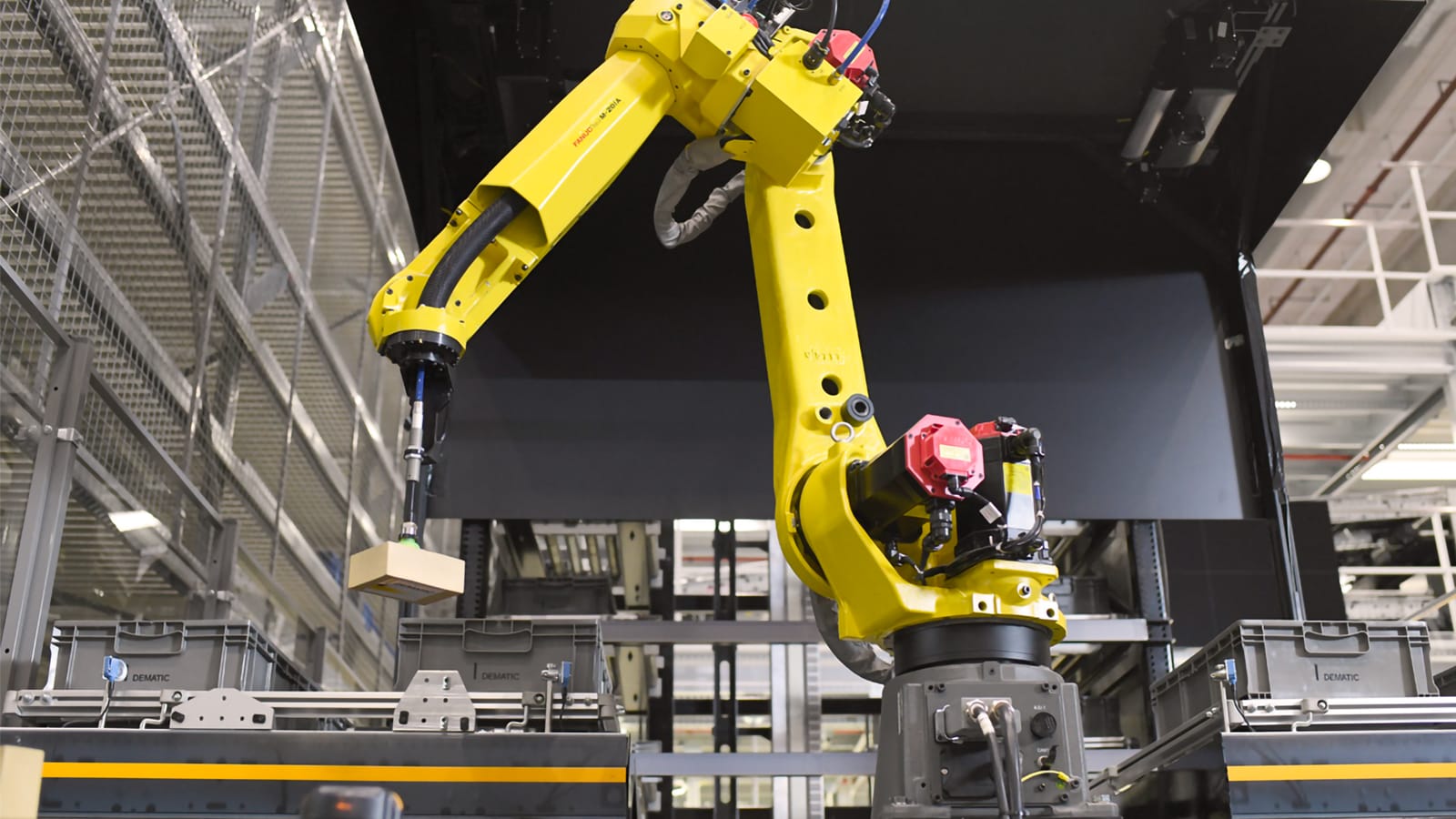
Manufacturing robots, also referred to as industrial robots, are devices designed to accomplish diverse tasks within the manufacturing industry. This can involve welding, painting, assembly, packaging and picking and many other things. Industrial robotics, the field of study and application of these robots, concentrates on improving efficiency and precision during manufacturing operations.
Automated Solutions Australia is one of the companies that are at the leading edge. They specialize in industrial robots that provide flexible automation for manufacturing clients. ASA industrial manufacturing robots strive to assist clients gain an advantage in their market by increasing their quality and productivity. ASA’s industrial robotic solutions built upon best practices and the importance of quality, are employed by companies in diverse industries like electronic manufacturing, pharmaceuticals, automobiles and many others.
Benefits of industrial robots are many-sided. One of the primary advantages is the substantial increase in efficiency and productivity. Industrial robots are capable of performing repetitive tasks with precision and consistency, resulting in increased output and shorter cycle times. This increases overall productivity and allows businesses to efficiently meet consumer demand.
Industrial robots can also aid in greater quality control during manufacturing processes. Through executing tasks with precision and resiliency, they reduce the chance of errors, resulting in higher-quality products. This improves the satisfaction of customers and builds the credibility of a company’s brand for providing premium quality products.
In addition to their efficiency and high-quality, industrial robots also provide cost-saving benefits. While the initial investment in manufacturing robots may seem substantial, the long-term cost savings are significant. By streamlining production processes and reducing the requirement to use manual labor, businesses can lower operational costs and achieve a quick return on investment. Additionally, industrial robots can operate 24/7, maximizing the efficiency of resources and driving down per-unit production costs.
Another benefit of industrial robots is their effect on work environment. These machines are designed to produce low noise levels, creating a quieter and more comfortable work environment for workers. Their accuracy and speed help to create a safer workplace in reducing the dangers of accidents and injuries which are caused by manual job.
Integration of industrial robots is also essential for the future of employment and job creation. Although there are fears that robots will displace human workers, industrial robotics are actually creating new jobs. This is the case for roles in robotic programming maintenance, oversight, and supervision, as well the development of new technologies for supporting robot manufacturing.
As the manufacturing industry continues to recognize the benefits of industrial robots, businesses across a variety of sectors are benefiting from the advantages of this revolutionary technology. Industrial robotics have the potential to increase efficiency, cost-effectiveness and quality. It is changing the industry of manufacturing and making new standards of excellence.
In the end, the rise of manufacturing robots and industrial robotics is fundamental shifts in the industry of manufacturing. The advanced technology is enabling businesses to reach new levels in efficiency, precision and competitiveness. As the demand for automated solutions grows industrial robots are expected to play a pivotal role in determining the future of manufacturing, promoting technological innovation and propelling businesses towards success in the global marketplace.