
The performance of a lift station can be assessed long before it’s an concrete structure complete with pumps, piping and valves. The design of the final lift station is influenced by a variety of variables, including the calculation of flow, elevations on the site, system pressures, wastewater characteristics, peak conditions, accessibility to maintenance, control systems and future capacities.
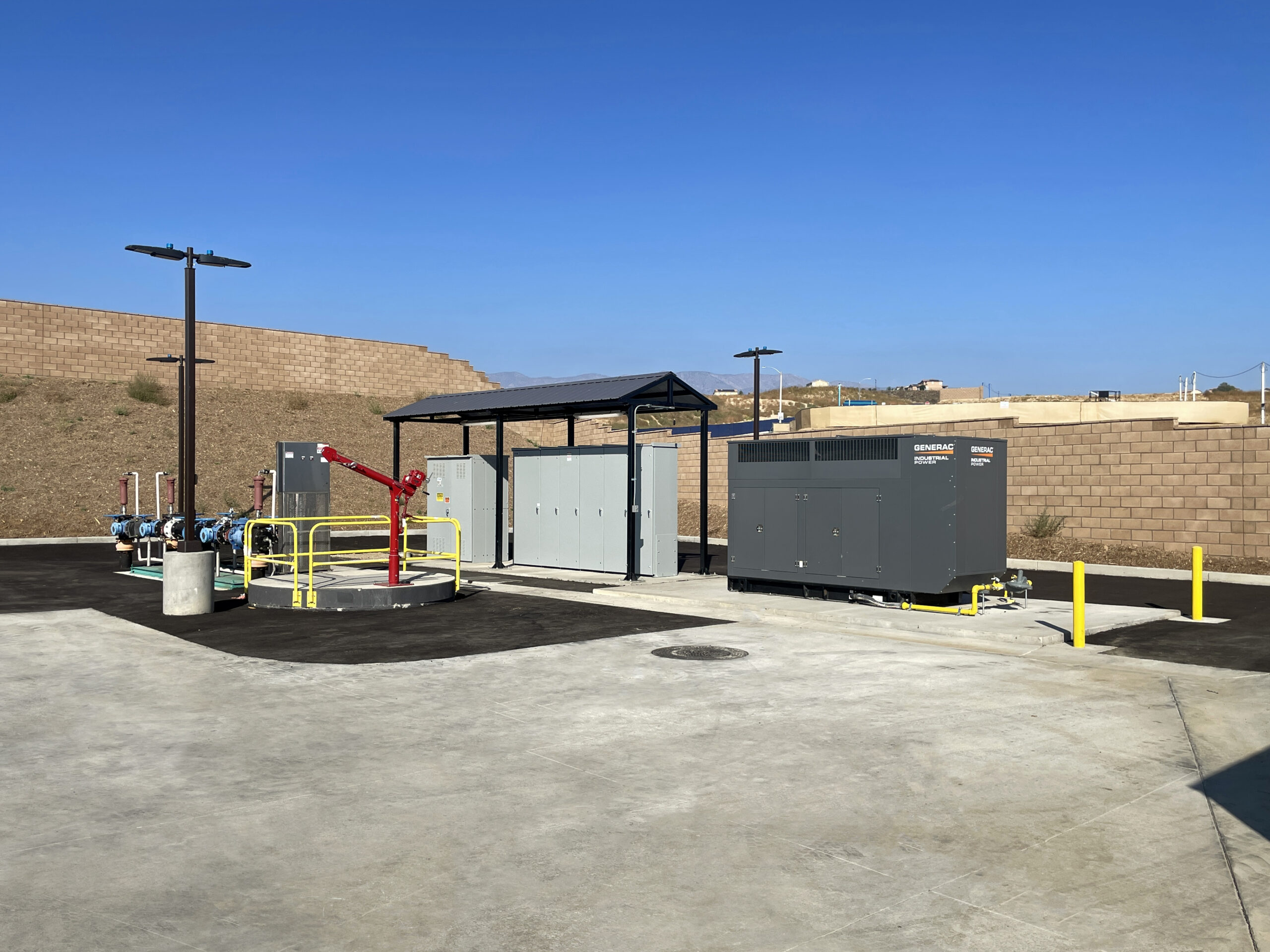
Image credit: romtecutilities.com
For project owners comparing the best lift station designers, the more useful question isn’t simply who can specify pumps. It is who can adapt the operating conditions of the site and requirements into a complete system that remains practical to construct, operate, and maintain.
Gravity is not without limits
Gravity is usually the simplest method to transport wastewater, but terrain and development patterns don’t always cooperate. It’s possible that new residential, industrial and commercial sites are too large, far away or located in areas where gravity sewer infrastructure extension is not feasible.
The lift station is the device that moves the wastewater to the next site of collection. The design of a lift station requires an understanding of the operation of a typical system and less ideal situations such a peak inflow pump maintenance, equipment malfunctions or upcoming increases in demands.
The most reputable companies for wastewater design need to look at the entire issue, rather than just focusing on the station.
The current infrastructure makes the puzzle more difficult
It’s not just the construction itself that is a problem, but it is also a major challenge. Many municipalities must upgrade or replace aging stations in order to keep essential wastewater infrastructure functional.
Existing wetwells, forcemains electric services and controls along with the site’s boundary, as well as downstream infrastructure could limit the design. Engineers will have to decide which elements can remain and what needs to be replaced, and what new elements are required.
Romtec Utilities has experience in commercial, commercial, and private applications, as additionally, retrofit and renewal projects. This permits pumping systems to be adapted to meet the ownership and operational requirements of each project.
Stormwater has rules that are different
The top developers of stromwater systems using the search terms available must resolve a completely different hydraulic problem. Stormwater systems can experience drastic volume changes based on the amount of rainfall as well as other factors like drainage area capacity, detention capacity, and the rate of discharge.
A station serving a detention basin, for instance it may be required to keep runoff for a while and then pump it at the appropriate speed. Engineers should consider the flow, head conditions the requirements for environmental protection, flood-management goals, and the characteristics of the drainage system that is receiving.
Prefabrication could move work from the jobsite
Field assembly is a complex procedure that could cause delays, scheduling conflicts delays, or even change orders. Romtec Utilities uses substantial prefabrication before bringing equipment to the site of the project.
In a controlled atmosphere where there is a controlled environment, the completion of more assembly work and quality-control can reduce the amount of work that is done on the field. Romtec Utilities’ project approach can reduce the amount of time needed to construct certain installations.
The Commissioning Process is essential element of engineering Success
The placement of all components does not make a station stable. Romtec Utilities is an installation consultant and will monitor the construction process from start-up, through control panel check, pump operation, testing the system, and personnel education. Documentation is also available to provide operators with information on how to maintain the system and to think about future expansion.
For those looking for the most reputable lift station designers, that final phase deserves to be considered. A successful engineering project must result in more than just a set of acceptable drawings. The station owner should leave with a functional system and well-trained staff, as well as helpful documentation, and equipment that is made to be able to handle the daily operational requirements of the station.