
Phones are still vital for vet practices, even if the practice is closed. Pets can become sick in the middle of the night, customers may panic at weekends, and emergency calls often do not occur at convenient times. Calls that are not answered, sent to voicemail, or to an answering service that is generic and has no understanding of the clinical environment can result in furry pet owners, stress for vets on call, and miss opportunities to the practice.
It is because of this that communication after hours is an essential part of veterinary operations. A strong answering service for vet practices will more than simply answer the phone. It ensures the trust of clients, guides pet owners towards the right next step, and reduces the workload of staff members within. In today’s veterinary environment it is more than just a luxury. It’s part of how a practice delivers continuity of care.
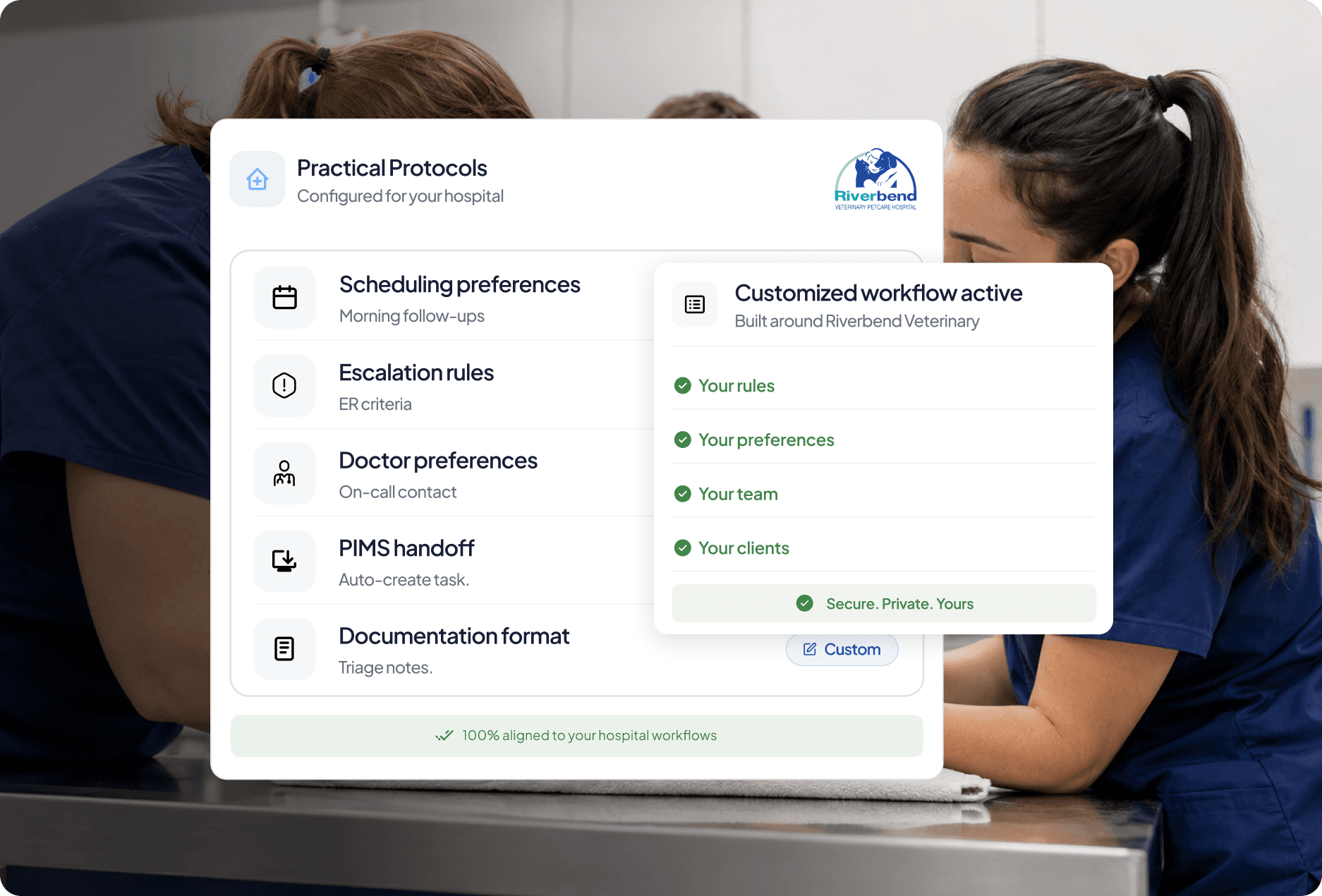
Image credit: guardianvets.com
There are many answer options that are designed for use in veterinary medicine
There’s a huge distinction between a general vet answering service and one that’s designed specifically for animal hospitals. In a hospital setting answering calls after hours isn’t always simple. A client may be worried about toxin exposure, post-surgical complications, vomiting or breathing problems or if their pet needs immediate emergency medical attention. These scenarios require more than just relaying messages. It calls for calm communication, judgement and organization from someone who is familiar with the workflow of veterinary medicine and understands importance.
This is the place where GuardianVets differentiates itself. Instead of operating as a call center GuardianVets is an veterinary support provider which is run by a credentialed veterinarian. That distinction matters. A trained technician can assess the nature of the call, follow the clinic’s triage and escalation protocols, help the pet owner understand the level of urgency, and direct them toward the right next step without stepping outside the boundaries of the veterinary-client-patient relationship.
The service of veterinary triage can aid in making better decisions for everyone.
A genuine veterinary triage system could provide clarity during stressful times. Pet owners often do not be aware of whether an issue can be left until the next day, whether they should make a follow-up appointment, or whether they need urgent care right away. Without guidance, many default to one of two options: they either rush unnecessarily to a hospital in an emergency or wait too long get help.
This gap can be closed with triage. It provides pet owners with an expert to talk to, lessens confusion, and also helps ensure that urgent cases are handled in a timely manner, while other concerns are logged and routed appropriately. This also helps veterinarians avoid being unable to attend to instances that don’t need doctor-level care after hours. That can make a meaningful difference in work-life balance, particularly in hospitals where same doctors carry their clinical duties throughout the day, as well as the evening call burden.
The ideal veterinary call center will work with your workflow and not be a threat to them.
A modern veterinary call center should not operate as a disconnected service sitting outside your practice. It should be an extension to your team. This means it should understand your communication preferences such as appointment rules as well as emergency protocols such as escalation routes, and protocols. This also includes integrating your PIMS system, so you can ensure that your triage notes and results from scheduling are incorporated into the system currently utilized by your team.
GuardianVets was founded on the basis of this idea. The process involves analyzing gaps in call coverage, mapping how client communication is done, and developing processes that reflect the reality of the practice rather than putting the clinic to conform to a rigid format. This is a major departure from the conventional answering service, which typically stops at message capture before sending it to the clinic.
Convenience is not the only advantage of a better coverage plan after hours
A reliable veterinary after-hours answering service can do more than simply reduce the number of lost calls. It aids in maintaining trust between clients during times of stress, keep more cases in the practice network if it is needed, and gives teams a more sustainable way to manage after-hours demand. It can also improve revenue by turning overnight or weekend inquiries into scheduled appointments instead of missed opportunities.
It also reassures pet owners that someone knowledgeable is available when they need assistance. In the field of veterinary medicine, this kind of support is important since most calls after hours are not only about problems with logistics. They’re also emotional. The emotional response of a pet animal can affect how people feel even after the issue has been resolved.
For hospitals that want to enhance both the care of their clients as well as team wellness, GuardianVets offers a model that goes above and beyond a typical veterinary answering service. By combining clinical triage with workflow integration and compassionate communication it lets practices be present for their patients, even when the clinic is closed.