
Edge computing has been viewed as complex and expensive for a lengthy period of time. It was generally reserved for large corporations with sophisticated hardware. Nowadays, the perception is shifting. Businesses across the UK have found that adaptable systems that are low-cost are able to produce impressive results without excessive complexity.
The rise of platforms that combine speed and simplicity is at the core of this transformation. An edge computing solution UK companies can rely on now looks very different from traditional setups. Organizations are shifting processing from central data centers closer to the source of data.
This improves speed, lowers latency, and opens up possibilities for decision-making in real-time.
From Small Devices to Enterprise Systems
The Raspberry Pi’s popularity as a learning tool has drastically changed. What was once thought of as a device for the hobbyist is now utilized to power infrastructure in real-world settings in industries such as manufacturing logistical, logistics and smart environments.
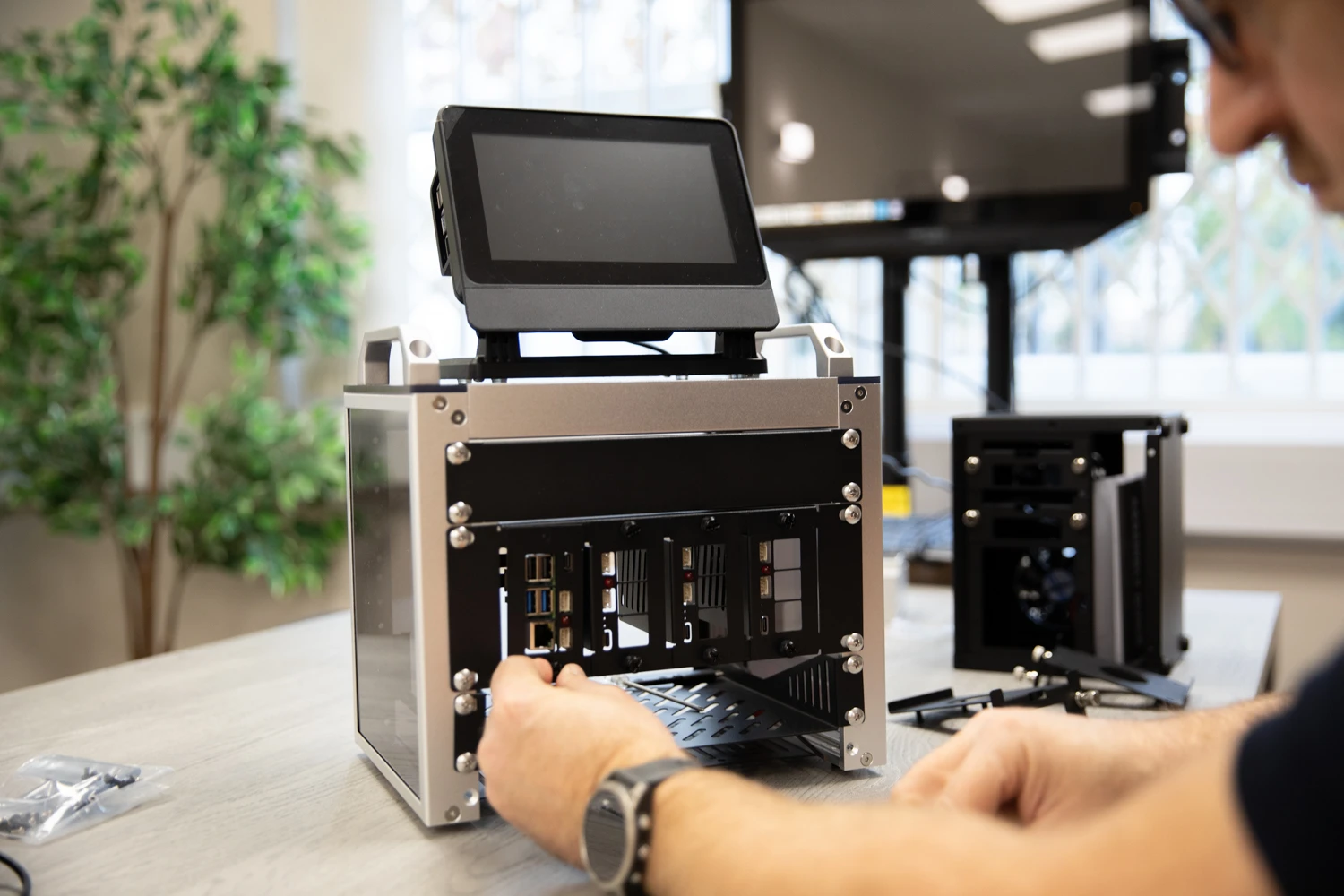
Companies can transform a single device such as ScalerPi into a coordinated, larger system, by utilizing platforms like ScalerPi. The Raspberry Pi cluster production use model lets multiple units cooperate, resulting in an efficient distributed system capable of handling large workloads.
This method lets you scale from a simple prototype to a large number of devices all working together.
Kubernetes on the Edge
Modern infrastructures are often dependent on orchestration and containerized applications. Kubernetes is a popular tool to manage the environments. However, operating it at the edge poses new issues.
A Kubernetes-on-premise solution is the ability to keep control and still gain the flexibility and versatility of container orchestration. Instead of relying solely on cloud service providers, businesses are able to deploy and manage systems locally.
This balance allows organizations to customize their infrastructure according to the specific requirements of their operations. ScalerPi helps bridge the gap by mixing modern software practices and hardware knowledge, making the most advanced deployments more efficient.
Why Data Sovereignty Gains Importance
Businesses are increasingly aware of the places their data is being stored and processed, as data regulations become increasingly complex. In many cases the use of cloud services from outside service providers raises concerns regarding compliance and control.
UK organizations can use an sovereign cloud to secure data within national borders while ensuring efficiency. This ensures sensitive data remains secure and is compliant to local regulations.
By integrating edge computing and solid infrastructure, companies will be able to achieve both flexibility and accountability. Data is processed close to its source while being monitored.
Making deployments simpler
One of the biggest issues in edge computing is managing large numbers of devices. As deployments expand and performance increases, maintaining security consistent and consistency becomes more difficult.
ScalerPi offers a full-stack approach that includes devices, hardware supply as well as consultancy. This integrated approach cuts down on complexity which allows teams to concentrate more on applications and less on the infrastructure.
Edge computing solutions that UK businesses can rely on do not require constant monitoring. Instead, it should offer the tools needed to automatize processes, track performance, and ensure reliability on every device.
Building Systems that Scale with Confidence
Planning is the key to scaling from a prototype to full production. Every stage presents new challenges, from hardware selection, to software integration, and continual maintenance.
With the help of a framework that is standard for growth and development, a Raspberry Pi production cluster use approach can make this process easier. The system can be expanded at the pace of your business by adding or adjusting devices without disrupting it.
This flexibility is especially valuable for businesses that are trying out innovative technologies or entering new markets.
A Future Driven by Flexibility and Control
The future of infrastructure is shifting to infrastructure that is open that are flexible, flexible, and efficient. Businesses do not want to be confined to rigid solutions that restrict their ability to innovate.
Tools such as a Kubernetes on-premise solution and a UK sovereign cloud solution provide companies greater control over their data and operations. Along with the scalability that is offered by Raspberry Pi clusters these technologies provide a solid foundation for the long-term viability.
Moving forward With Edge Innovation
Edge computing is no longer an idea that is just emerging, it’s now a practical solution for modern challenges. Combining affordable hardware with sophisticated software, companies can build systems that are robust and efficient.
ScalerPi helps businesses bridge the gap that exists between physical devices and cloud technology. With a thoughtful design and solid deployment, it is making edge computing more accessible to organizations of all sizes.
As more companies look into the potential of distributed systems, their ability to scale safely and effectively will determine the success of their business in the coming years.